
Where We Fish
The Best Bass Fishing Near Orlando, FL
As a full-time Orlando bass fishing guide, I spend hundreds of days each year chasing largemouth bass across some of Central Florida’s best lakes. Lake Toho, the Kissimmee Chain of Lakes, John’s Lake, and Lake Apopka all offer something a little different depending on the time of year.
Where we fish on your trip depends on the season, recent weather, water conditions, and what the bass are doing. Some lakes really shine during the winter trophy season, while others can produce great numbers of fish during the spring, summer, and fall.
Below you’ll find more information about the Orlando area bass lakes I guide, including when I like to fish them, what makes each lake different, and the techniques we use throughout the year.

John’s Lake Bass Fishing
John’s Lake might fly under the radar compared to the Harris Chain or Kissimmee Chain, but that’s what makes it special. With less pressure and loads of fish-holding structure – offshore grass, shell bars, shallow flats, and thick emergent vegetation – it’s a versatile lake that fishes well year-round.
January – April:
This is trophy season. The Florida spawn is long and drawn out, and John’s has excellent spawning habitat both deep and shallow. If you’re looking for that 8+ pounder, this is the time. Wild shiners are hands-down the best bet if you want to put a giant in the boat, but soft plastics can get it done too for anglers who prefer artificial lures.
May – September:
Post-spawn fish start to school up offshore and feed heavily to recover from the spawn and prep for summer. You’ll catch good numbers this time of year. Topwaters in the morning, big ribbon-tail worms, frogs, and weightless flukes will all draw aggressive strikes.
October – December:
Fall feeding begins as fish bulk up before winter. The shiner bite picks back up, and lure fishing gets fun again. Chatterbaits, lipless crankbaits, and Damiki rigs are productive options as the bass chase bait and get more aggressive.

Lake Apopka Bass Fishing
Lake Apopka has a bad rep from years past, but it’s bouncing back in a big way. If you like flipping and pitching, this lake is for you. Most of the action happens close to the bank, where cattails, lily pads, pencil reeds, and Kissimmee grass line the shore. The forage base includes gizzard shad, bluegill, crappie, and wild shiners — all the ingredients for a healthy bass population.
January – April:
This is my favorite time to fish Apopka. Big females pull up to spawn on isolated cover — perfect targets if you know where to look. Lightly weighted Texas rigs with creature baits or worms work best around those beds. The lake stays stained, so dark colors like Junebug or black/blue get the nod here.

Lake Toho Bass Fishing
Lake Toho, officially known as Lake Tohopekaliga, is one of the most famous largemouth bass lakes in Florida. It’s also one of the best options for anglers looking for a guided bass fishing trip close to Orlando, Kissimmee, and the Disney resorts.
At approximately 18,800 acres, Lake Toho has a huge amount of productive bass habitat. Hydrilla, Kissimmee grass, lily pads, reeds, offshore grass, points, and protected spawning areas give us plenty of different ways to fish throughout the year.
Its location is another big advantage. Lake Toho is convenient for visitors staying in Orlando, Kissimmee, Disney, and the surrounding theme park areas. If you’re visiting Central Florida and want to spend a morning chasing Florida largemouth bass, Toho is hard to beat.

January to March: Prime Trophy Bass Season
Winter and early spring are when Lake Toho really earns its reputation. Prespawn and spawning bass begin moving into productive shallow areas, including some of the biggest females we’ll see all year. If your goal is to catch a trophy largemouth, this is one of my favorite times to fish Toho. Live wild shiners can be extremely effective around hydrilla, grass edges, and spawning areas.
For anglers who prefer artificial lures, we’ll often cover water with chatterbaits, lipless crankbaits, swimbaits, and soft plastics depending on the conditions. Once we find an area holding fish, slowing down with worms and other plastics can produce some really good bites.
April to May: Post-Spawn and Offshore Grass
As spawning season winds down, bass begin moving away from spawning areas and relating more heavily to offshore vegetation. Hydrilla becomes especially important during this transition. Holes, points, edges, and other changes in the grass create natural places for bass to ambush shad and other forage. Big worms, weightless flukes, swimbaits, and walking topwater baits are some of my favorite ways to target these post-spawn fish.
June to September: Summer Bass Fishing
Lake Toho can produce good bass fishing throughout the summer, but timing becomes increasingly important. Early mornings are usually my preference. We can take advantage of the cooler part of the day and often get some good topwater fishing before the sun gets high. As the morning progresses, we’ll usually transition toward offshore vegetation, hydrilla edges, baitfish schools, and areas with moving water. Soft plastics, worms, flukes, and other presentations around deeper or thicker vegetation can all produce.
For anglers visiting Orlando during summer vacation, an early morning Lake Toho bass fishing trip is a great way to get out on the water without giving up the rest of the day with the family.
October to December: Fall Feeding and Pre-Winter Fishing
Fall is an underrated time to fish Lake Toho. Bass become increasingly focused on baitfish and can feed aggressively around healthy grass and offshore vegetation. It’s a good time to cover water with chatterbaits, lipless crankbaits, swimbaits, and topwater lures while looking for active fish. As we get closer to winter, wild shiners become increasingly effective and we start transitioning back toward the patterns that produce some of our biggest bass during the prespawn and spawning season.
Whether you’re chasing your personal best largemouth or simply want to experience one of Florida’s most famous bass lakes, Lake Toho is one of my top choices for a guided bass fishing trip near Orlando.
The Kissimmee Chain of Lakes is one of the best-known bass fishing systems in Central Florida and one of my favorite places to guide anglers looking for a true Florida bass fishing experience. Located just south of Orlando, the chain includes Lake Toho, Cypress Lake, Lake Hatchineha, and Lake Kissimmee, giving us roughly 65,000 acres of water to fish.
One of the biggest advantages of fishing the Kissimmee Chain is the variety of habitat. Hydrilla, Kissimmee grass, lily pads, reeds, offshore vegetation, canals, points, and shallow spawning areas all provide excellent habitat for largemouth bass.
Having so much water available also gives us options. I choose where we fish based on the time of year, recent weather, water conditions, and where I believe we’ll have the best opportunity to find active bass.
January to April: Trophy Bass and Spawning Season
Winter through early spring is one of the best times to fish the Kissimmee Chain if catching a trophy Florida largemouth is your main goal. As water temperatures and weather conditions line up, bass begin moving toward spawning areas. We typically see multiple waves of fish move shallow throughout the season, which gives us opportunities at both prespawn and spawning bass.
Wild shiners are extremely effective when targeting bigger fish. For anglers who prefer artificial lures, soft plastics, swimbaits, chatterbaits, lipless crankbaits, and other moving baits can all produce around grass and spawning areas.
This is the time of year when one bite can turn into the biggest bass of your life.
May to September: Grass, Topwater and Summer Patterns
After the spawn, bass begin transitioning toward thicker vegetation, offshore grass, hydrilla edges, and areas holding baitfish. Early mornings can produce some great topwater fishing before the Florida heat sets in. As the sun gets higher, we’ll often adjust by targeting deeper grass edges, holes in the vegetation, and areas with moving water.
Big worms, flukes, frogs, swimbaits, and other grass-oriented presentations are all part of the rotation.
Summer can also be a good time for numbers, making it a great option for families, beginners, and anglers who are more interested in steady action than specifically targeting a trophy fish.
October to December: Fall Feeding
Fall and early winter can bring some aggressive feeding throughout the Kissimmee Chain. Bass become more focused on shad and other forage, which can make moving baits especially effective.
Lipless crankbaits, chatterbaits, swimbaits, topwater lures, and soft plastics can all produce during this time of year. Wild shiners also become a great option again as we get closer to the winter trophy bass season.
The size of the Kissimmee Chain is a big advantage on a guided trip. If the fish aren’t cooperating in one area, we have plenty of other water and different types of habitat available to help us find active bass.
What’s provided
- All tackle & lures
- Baitcasting & spinning rods/reels
- Cooler with ice
- Bottled water/sports drinks
- High-quality photos/videos of your catch
What To Bring
- Rain gear
- Sunscreen
- Hat
- Sunglasses
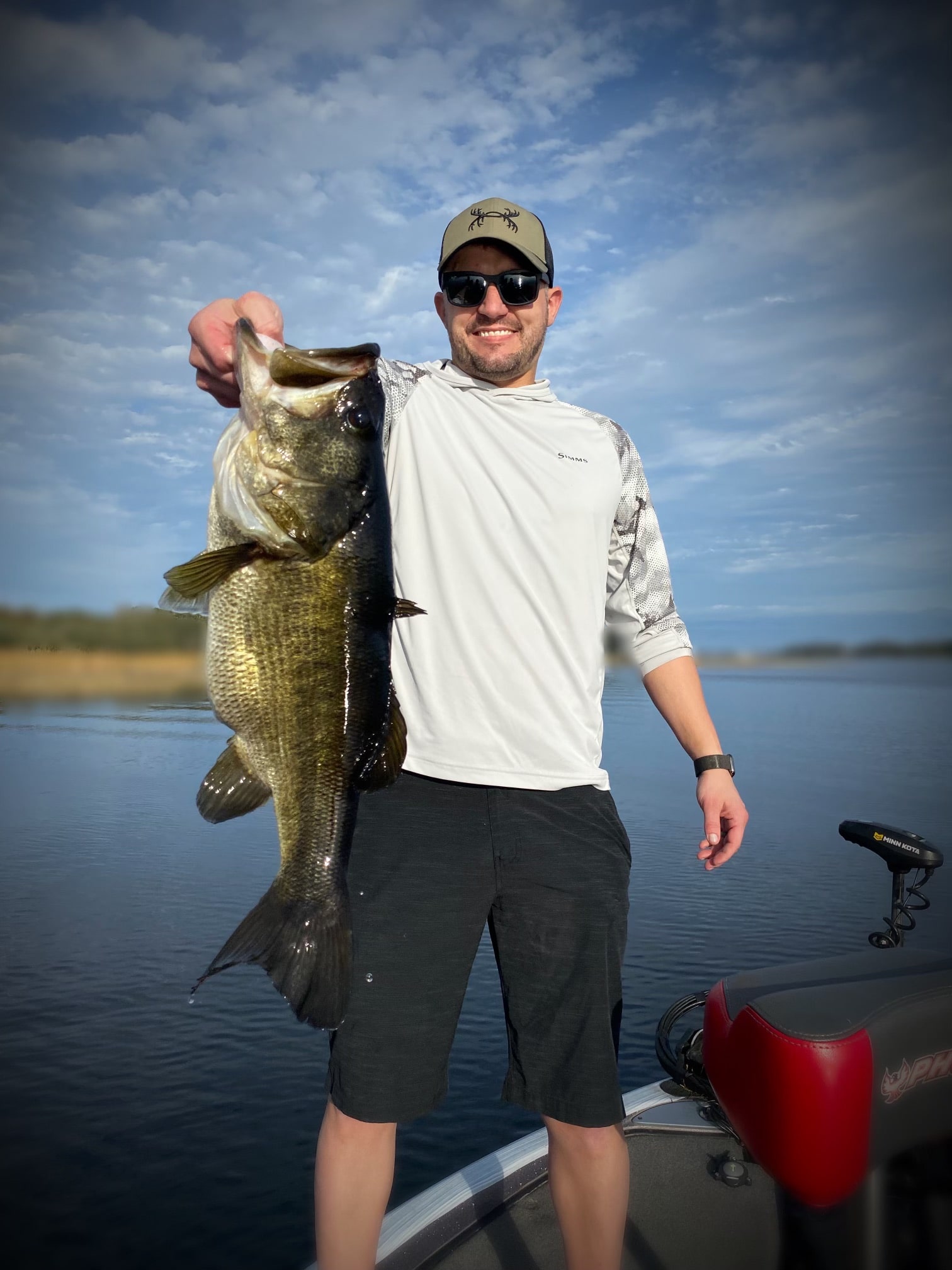
The Boat
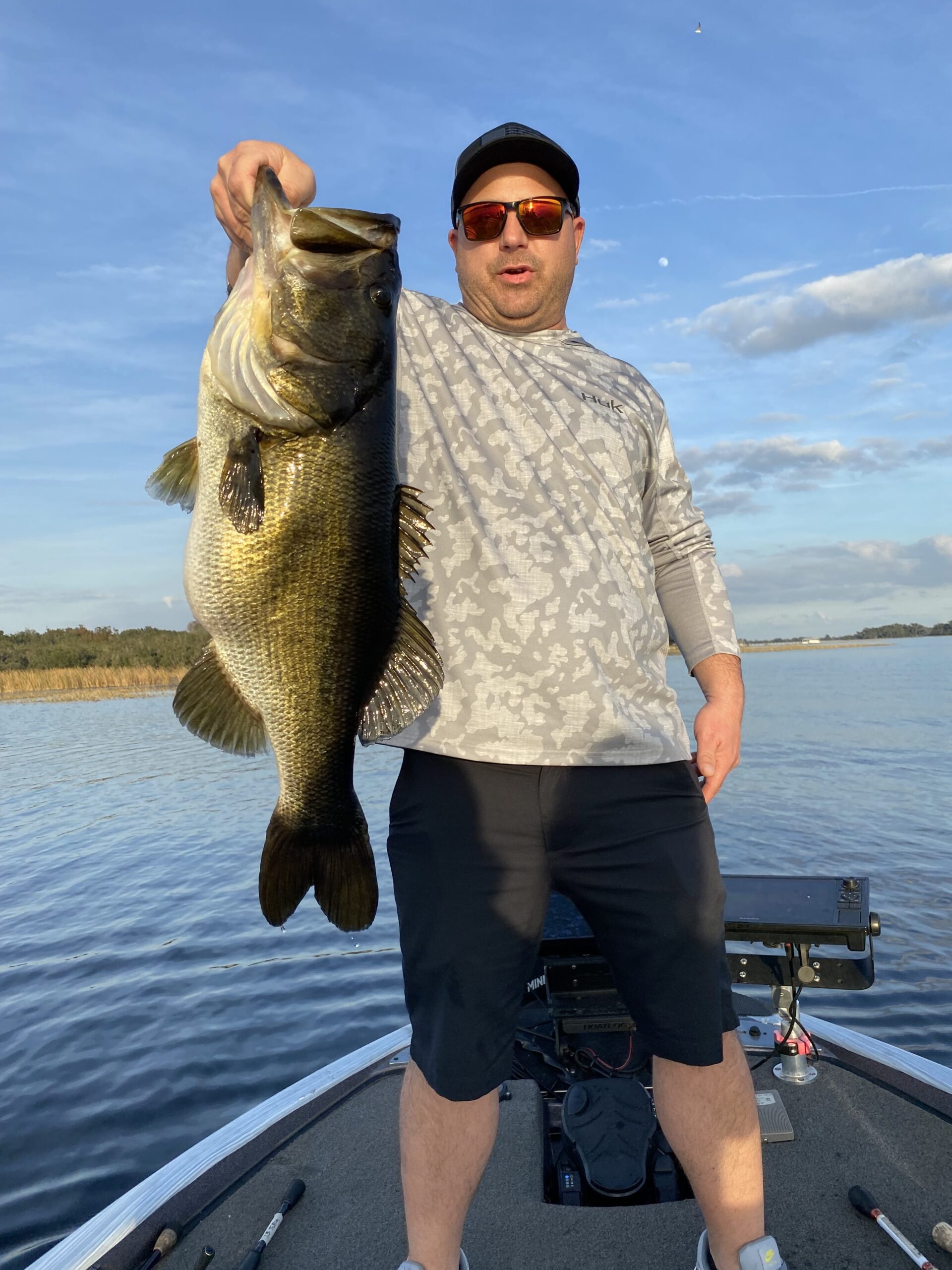
We’ll be fishing out of a 2021 Phoenix 921 Elite with a 250 Mercury 4-stroke motor, Minn Kota Ultrex electric motor, and two 8′ Power Pole Blades.
Boat Electronics:
2 G3 Humminbird Solix 15’s, G3 Humminbird Solix 12, Lowrance HDS Live 12, Garmin 1242xsv, Livescope, Mega 260 Imaging